
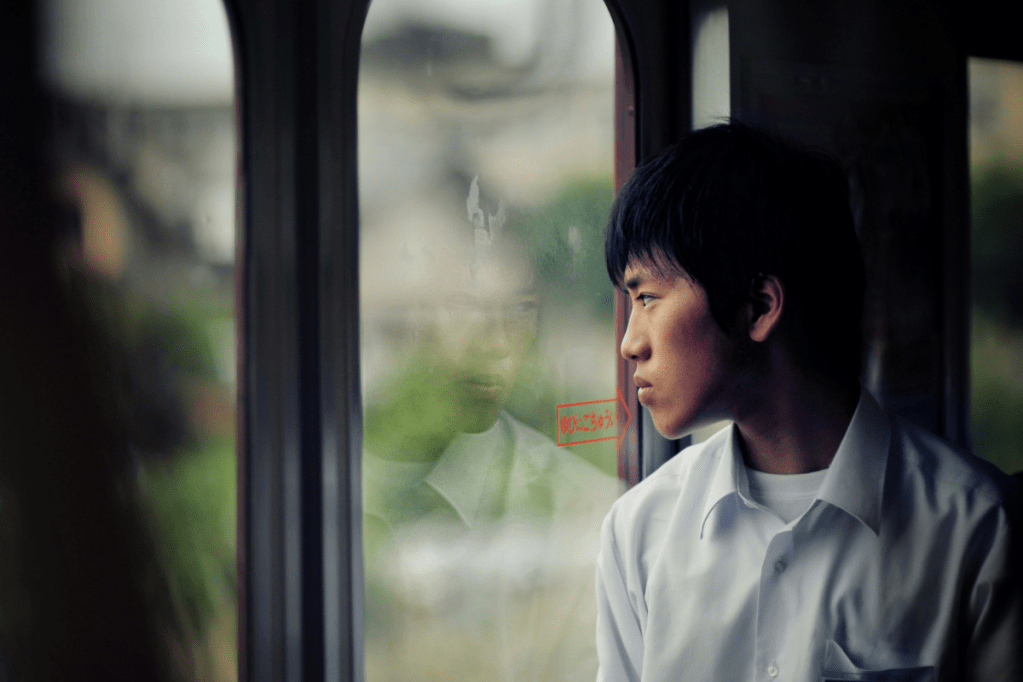
I took a deep breath to steady my nerves, but I was so anxious I felt sick. I knelt on the cool tile floor of the school bathroom and prayed, “Lord, I don’t know if I can do this. Help me teach!”
It was my first day of teaching English in Laos. I was 18 years old, shy, and awkward, and although I had completed a TEFL certification and had a lot of theory in my head, this was my first time actually leading a class.
Moreover, I had been launched unexpectedly into the position of teaching the adult beginner class – they spoke no English, and I spoke no Lao. Hence my anxiety!
Yet that day was the beginning of two happy school years of teaching, a time that was pivotal in my TCK experience.
Surrounded by the support of my teammates and blossoming with confidence from overcoming new challenges, I felt more alive than I ever had. “I can keep doing this,” I thought to myself. “I can be an English teacher.”
However, some years later, I realized that I didn’t want to be a teacher forever, at least not in the traditional school sense. I felt guilty for that.
Had I gone wrong somewhere? Had I misunderstood the calling I felt in Laos? I wondered if I had studied the wrong things, wasting money and years of opportunity. What if I had chosen another major and career path? Where would I be now?
Perhaps you can relate. I find that, as TCKs, we can be prone to some serious wonderings and “what ifs.”
Sometimes those “what ifs” are simply curious, as our mobile and experience-rich upbringings make us keenly aware of the myriad possibilities that life offers. Yet at other times, those “what ifs” are laced with regret and fear.
What if I had had a settled childhood? Would my life be better if I weren’t a TCK? What if things had worked out with X or Y guy? What if I had gone to that university? Taken that job? What if I hadn’t gone to that country? What if I made a mistake? What if, somehow, I’ve missed something important?
I’ve wrestled with many of these questions. But there are some key strategies that have helped me work through the “what ifs,” whether in professional or personal contexts.
Recognize the fear or hurt behind the question.
Take time for some soul-searching about what is behind your wonderings. Perhaps it is fear of making mistakes, fear of loneliness or abandonment, fear of mishearing God, fear of missing out, or fear of not being taken care of.
Bring these fears honestly to God. I love what David says in Psalm 34:4: “I sought the LORD, and He answered me; He delivered me from all my fears” (NIV).
Grief and pain may also underlie our questions. What hurts and disappointments have shaped your expectations and fears? (Lauren Wells’ work around the concept of a “grief tower” has helped me with my own processing here.[1])
You may also find it helpful to work through this with a trusted friend, therapist, or mentor.
Challenge the narrative.
When we ask “what if,” we often consider the worst-case scenario. But what if we start to ask ourselves some different questions? (See what I did there?)
For example – What if God provides for me? What if this wasn’t a mistake, but just part of the journey that God is still leading me on? What if I will see the fruit of this experience later? What if this does work out? What if God means what He says?
Ask God to expand and renew your imagination, factoring Him into the picture you create with your “what ifs.”
Remind yourself of God’s promises and perspective.
What does God have to say that addresses your fear? I have appreciated verses that touch on God’s care for details and His guidance, for example.
“Are not two sparrows sold for a penny? And not one of them will fall to the ground apart from your Father. But even the hairs of your head are all numbered. Fear not, therefore; you are of more value than many sparrows.”
Matthew 10:29–31 ESV
“And the Lord will guide you continually and satisfy your desire in scorched places…”
Isaiah 58:11 ESV
Consider writing meaningful verses out, saying them aloud, personalizing them, or putting them somewhere you see them often.
Know that nothing is wasted.
God is the Redeemer, still working all things together into a pattern for good (see Rom. 8:28; Gen. 50:20; Isa. 48:17; 1 Cor. 15:58). When we walk with Him, He has a way of making sure that nothing goes to waste.
It may take time before we see situations redeemed and reshaped, but God takes what we think is – or what really is – broken, and is able to make something beautiful.
Teaching in Laos not only provided me with impactful experiences at the time, but was the catalyst for other important life events, meeting many wonderful people, and studying a variety of things. All of that made me the person I am today. Those people, places, and experiences gave me many of the stories and lessons I write about. They put me on a path that led to my husband. They have shaped me in crucial ways that are still useful. I am curious to see how they will influence my future.
The future may look uncertain. But God is the one who says, “I will repay you for the years the locusts have eaten” (Joel 2:25 NIV), and God is the one who makes everything beautiful in its time (Ecc. 3:11).
Whatever fears we wrestle with, whatever “what ifs” try to haunt our imagination, we are not alone. God is with us still. Our stories are still in process.
Knowing that, may our “what ifs” come to reflect our faith rather than our fear.
References: [1] https://www.goodreads.com/author/list/930027.Lauren_Wells
TCKs for Christ: Staff Writer
Lynette Allcock Yoon
is a writer, teacher, and former radio host. She grew up in three countries and now lives in South Korea with her husband. She writes about life abroad, faith, and relationships from an expat, TCK perspective. Lynette loves helping fellow wanderers and sojourners to feel seen, encouraging them to overcome the challenges and find the beauty in cross-cultural living. Outside of work, she enjoys musical theatre and long walks with good friends.
You can find her on Instagram @wordsforwanderers or at lynetteallcock.com.
 tcksforchrist.com
Join the Conversation