

I was jealous of my friend who was leaving Korea.
As she said her goodbyes and hauled away her luggage, I imagined the familiar welcoming bustle of the airport … the adrenaline rush of getting on a plane, knowing that you were heading towards a new beginning … the excitement of fresh possibilities. And I was jealous.
I didn’t hate Korea. I didn’t feel a deep-seated need to leave the country. But as I had a long history of moving houses and countries, there was just something about the thought of leaving a place and starting a new adventure that drew me in. I was used to change; change, ironically, was my comfort zone.
However, my latest challenge was learning how to settle down.
I had recently married a Korean, so leaving the country was not really an option! Neither was spontaneously setting off on a new adventure. I had to learn to live from the perspective of “we,” not just “me,” and that meant learning to stay.
It wasn’t the easiest of adjustments. In fact, it was a kind of culture shock in itself. And apparently, I’m not alone in the struggle of adjusting to a more settled life.
Dr. Rachel Cason, a TCK therapist, writes, “Despite our many and various differences, one of the universal challenges I’ve seen adult Third Culture Kids encounter is the struggle of stillness.”*
Perhaps you have also experienced the struggle, or are beginning to feel it now. Whether you are settling down because of further education, a new job, marriage, or returning to your passport country, here are some suggestions to help you in the process of putting down roots.
Keep exploring.
You don’t need to upheave your whole life to scratch an itch for change. Instead, go into your more settled situation with the same curiosity that you might bring to a new host country. Keep exploring!
After moving to my husband’s home, I determined to use my downtime between jobs to scout out my new environment. I made a personal mission to find the local libraries (which, to my delighted surprise, had a plethora of English books), the most charming cafés, and the best green spaces for my daily walks.
I ventured out via bus and subway to the nearest beach, meandering along the sands and picking up pink oyster shells. All the local gems I discovered enchanted me, and in the process of exploration, I both fed my desire for adventure and became more acclimatized to my new home.
What is your local culture like? Where are the best hang-out spots, parks, or markets in your new area? Where does that local bus take you if you stay on for a little longer? What skills do you need to learn in order to thrive in this new environment? Also, consider what other smaller changes you can make, such as enjoying a new hobby, learning something just for fun, or even moving your furniture around.
Have a “regular.”
Find a spot to make your “regular,” whether a café, gym, corner store, church, or library, for example. This is not about getting into a rut. Rather, having a “regular” can help you adjust to your new phase of life and make connections that will help you settle happily.
I began to frequent a cozy café with smiling staff, fresh flowers on the tables, and the delicious smell of coffee from their own roastery. I suspected they were Christian; there was a cross on the wall and a picture of Mary and Jesus.
Soon, the baristas began to recognize me. Although we couldn’t communicate much, they always greeted me warmly. Once or twice the owner was also there. He spoke a little more English and chatted kindly with me, even giving me some free cookies for a recipe that the café was trying out. It was lovely to be recognized and welcomed as part of the community, especially in the earliest days of my move when I especially wrestled with adjustments and culture shock.
Research has found that even casual connections, not only deep friendships, add to our sense of belonging, meaning, and happiness.** A shared smile and a quick greeting with a familiar barista, neighbor, or cashier has a positive effect on our well-being. Having a usual place can also help you to start enjoying “normal” life – a daily ordinary that may feel very different from the kinds of adventures you grew up with, but that still holds worth and beauty to be discovered.
Invest in the community.
Pray for your neighborhood. Ask God to show you where you can make a difference. Ask Him for a sense of mission and vision for this community.
When the Israelites had to establish themselves in a new country, God instructed them, “[S]eek the peace and prosperity of the city to which I have carried you into exile. Pray to the LORD for it, because if it prospers, you too will prosper” (Jer. 29:7 NIV).
God’s advice is applicable, even if you’re not in exile! The principle of seeking the good of your community is a wonderful way to begin to grow roots.
I had been afraid that I wouldn’t find friends or have a sense of community, so I prayed that God would help me meet people and find ways to bless others despite the language barrier. I got involved with my church’s kids’ program. Slowly, I made new friends with other expat teachers and wives, as well as some local ladies I met through community events. I invested quality time into my new friends, supporting them through their ups and downs, and being supported in turn. I prayed for their good and thanked God for answering my prayers for friendship.
Pray that God brings you into a community. And as you find connections, don’t be afraid to invest in your new relationships.
Sometimes, as TCKs, we can be quick to “make friends” but reluctant to go deep, to commit, or to work through the messy parts of a relationship – simply because we’re used to leaving or being left. Sometimes it feels like because goodbyes are inevitable, doing the work of a relationship isn’t worth it. But it is worth it. Embrace the challenge of learning how to take a risk and build deep relationships, both local and long-distance.
It isn’t always easy to put down roots if we are used to a highly mobile life. “Yet,” to quote Dr. Cason once more, “the struggle holds hope… Hope that staying might, just might, offer an alternative adventure; the adventure of building a whole new skill set – that of Staying.”
Here’s to your new adventure! The adventure of staying.
TCKs for Christ: Staff Writer
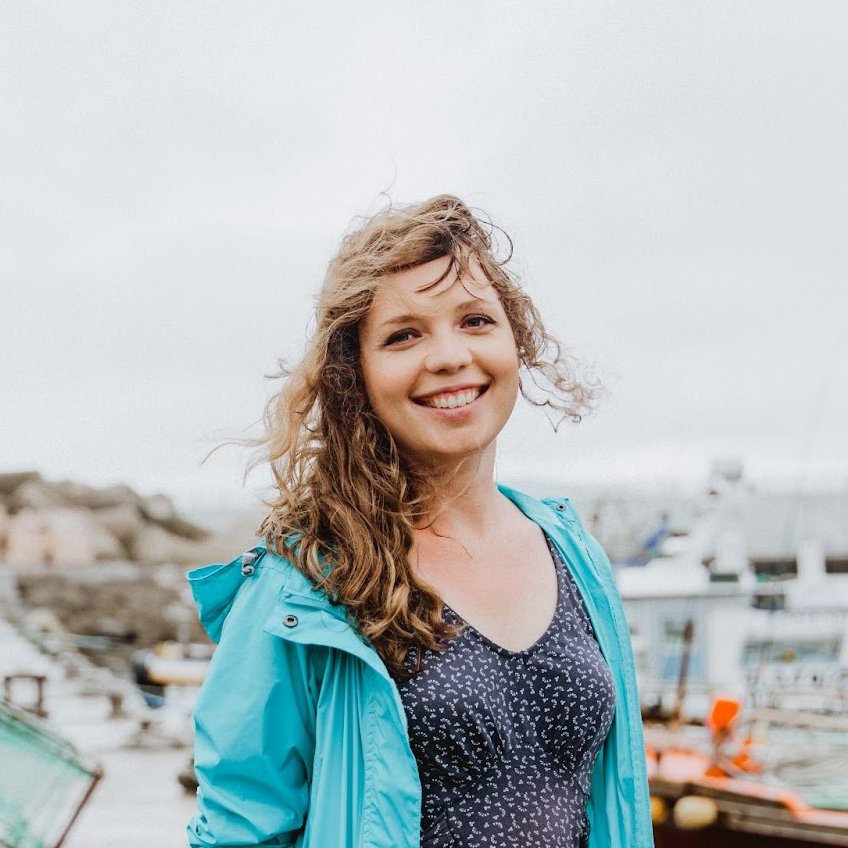
Lynette Allcock Yoon
is a writer, teacher, and former radio host. She grew up in three countries and now lives in South Korea with her husband. She writes about life abroad, faith, and relationships from an expat, TCK perspective. Lynette loves helping fellow wanderers and sojourners to feel seen, encouraging them to overcome the challenges and find the beauty in cross-cultural living. Outside of work, she enjoys musical theatre and long walks with good friends.
You can find her on Instagram @wordsforwanderers or at lynetteallcock.com.
*Cason, Rachel. 2023. Incredible Lives and the Courage to Lead Them: Thoughts of a Third Culture Kid Therapist. Life Story Therapies. P 85-86.
**Why your ‘weak-tie’ friendships may mean more than you think. Published 3 July, 2020. Accessed 7 May, 2024. https://www.bbc.com/worklife/article/20200701-why-your-weak-tie-friendships-may-mean-more-than-you-think
 tcksforchrist.com
Join the Conversation