

The store owner leaned across the counter. “Your Lao pronunciation is getting worse,” she said bluntly.
I blushed as I set down my packets of green mango, dried river weed, and rice noodles. When I moved to the States for college, I was so excited to find this Lao grocery store not far from campus. I could eat the foods I missed, and somehow feel connected to the country that had been a significant part of my life not so long ago.
The store owner was shocked and pleased the first time I spoke Lao to her. “Your tones are quite good,” she approved, and I glowed inwardly. Lao was not an easy language; a slight variation in tone could create an entirely different word. I was proud that I could still have a basic conversation and sing a handful of hymns and praise songs in Lao.
However, after just a year, I was losing the language, as the store owner pointed out.
Language, Identity, and Belonging
I was embarrassed when I could no longer differentiate Lao tones. I was despondent when I started to forget chunks of vocabulary.
But it wasn’t just about losing my ability to speak. The Lao language symbolized all I had felt, experienced, and become while I lived there. So, each forgotten word and blundered inflection felt like a cut tie to the person I had been while living in Laos.
That hurt.
Yet, at the same time, I was welcoming a fresh adventure. I was juggling a double major and a busy social life at college — learning and growing into a new version of myself. Laos had given me so much, and now America was shaping me, adding to the mosaic of my identity. I often hung out with other international students, too. Many of my friends were Brazilian, and during the summer, I worked teaching English to Brazilian teenagers. So, at the same time I was losing Lao, I started picking up Portuguese.
Looking back, I can see how closely language was tied to my sense of self and belonging. I disliked feeling too different or too helpless, and I wanted to “fit” whatever group I was with. Language learning was a practical and emotional way to attempt to belong and to embrace my new environment.
Even in the States, in spite of officially sharing the English language, my native British pronunciation slowly gave way to an American twang. I was tired of standing out and thus frequently being asked to “say something,” so I tried to blend in as much as I could through adapting my language.
German, Spanish, Lao, and Portuguese. I picked them all up, to varying degrees, as I grew up as a TCK, mingling with different people groups and wondering what paths would open for me in the future. The languages represented who I was and who I wanted to be in those moments.
However, I also lost all those languages, some more than others. Facebook recently reminded me that it was a Lao friend’s birthday. I tried to remember how to say “happy birthday” or “God bless you” in Lao, and I couldn’t even do that. After all, it’s been 16 years since I left Laos. I have grown, changed, and made space in my life for new languages and new ways of being.
Honoring the Old and Embracing the New
Language has been a big part of my life. Gaining and losing my languages has been bittersweet because they are tangible reminders of all the ways my life has changed. And I cannot fight change. I might have missed Laos, for example, but I had to embrace the new reality of my life in America… then my life in England… and now my life in Korea. There are three principles that have guided me through the process of accepting change.
- Grieve. As a new chapter begins, another ends. Change, even good change, inevitably includes loss — and loss is sad. Whether I am losing language, people, places, routines, familiarity, comfort, or my preexisting sense of identity, it is important to grieve the loss.
- Celebrate. I can acknowledge the blessings alongside the sorrows of change. Not all is lost. For example, although I may not have the same lifestyle or customs as I did when I lived in Laos, I keep the same qualities that blossomed there, such as courage and capability. I can also hold onto the lessons I learned. These are gifts from my time in other cultures.
- Be present. There is value in being fully present to my life now. Instead of ruminating on the past, I can give the best of my attention and energy to the moment, people, and tasks at hand. I can honor all my past “selves,” acknowledging how my experiences, countries, and languages have made up the collage of who I am. But I must also look squarely at today, allowing myself to grow and fully experience where God has placed me today. “Do not dwell on the past,” God encourages us in Isaiah. “See, I am doing a new thing!” (Isa. 43:18–19 NIV)
Change is a constant in life. My sense of belonging and identity morphs and shifts, sometimes painfully, sometimes comfortably, with each environment and language. However, there is a foundational element of my identity that never changes.
“See what great love the Father has lavished on us, that we should be called children of God! And that is what we are!”
1 John 3:1 NIV
Under everything else, I am a beloved daughter of God. It feels cliché, and yet it is so true. No matter what languages I learn and lose, no matter how I grow and shift with each new place, I am seen, known, and loved by God. I belong with Him, wherever I am or whoever else I am with. This unchanging reality is the ultimate key to helping me through change.
May you, too, find courage to grieve your losses, celebrate your gains, and be present to your new reality, knowing that you are a dearly loved child of God.
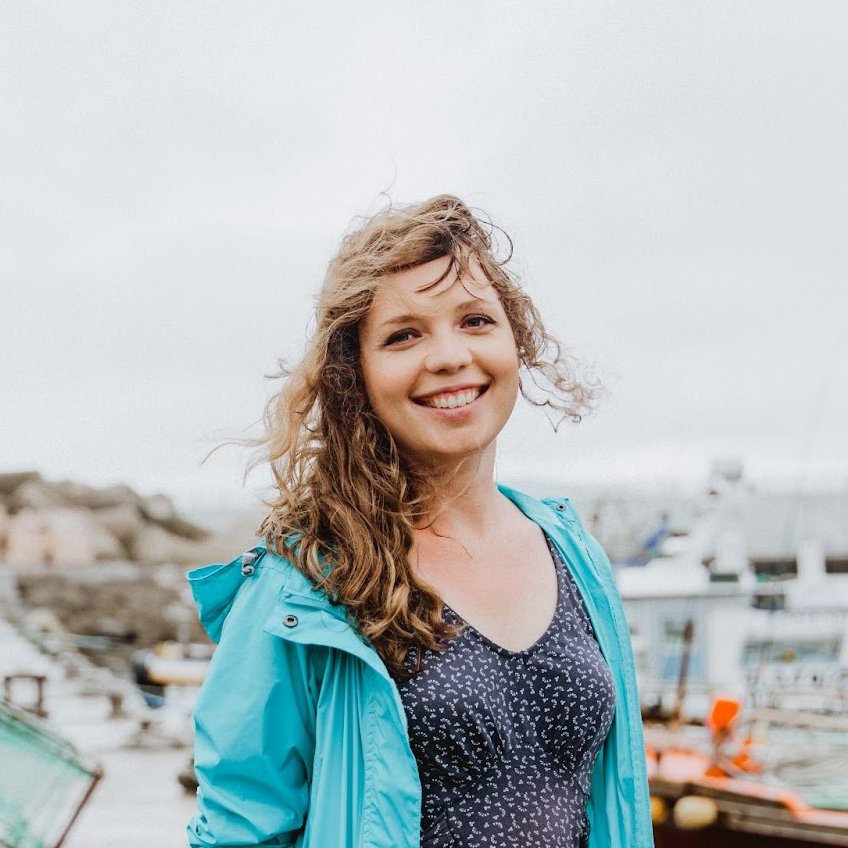
TCKs for Christ: Staff Writer
Lynette Allcock Yoon
is a writer, teacher, and former radio host. She grew up in three countries and now lives in South Korea with her husband. She writes about life abroad, faith, and relationships from an expat, TCK perspective. Lynette loves helping fellow wanderers and sojourners to feel seen, encouraging them to overcome the challenges and find the beauty in cross-cultural living. Outside of work, she enjoys musical theatre and long walks with good friends.
You can find her on Instagram @lynetteallcockyoon or on Substack at lynetteallcockyoon.substack.com.


Join the Conversation