
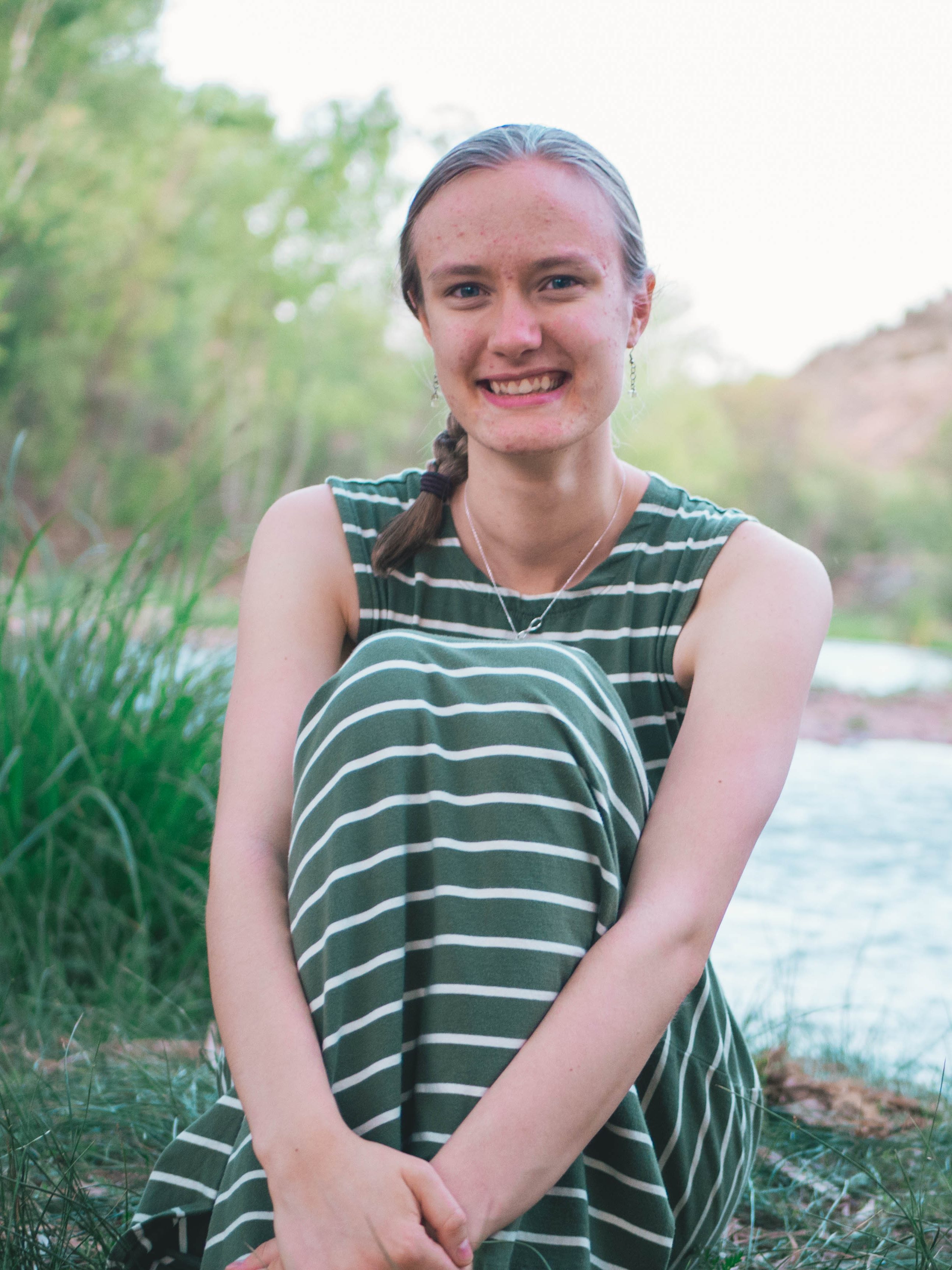
Today, we have a special guest, S.G. Willoughby, or Sara, the author of He’s Making Diamonds. Welcome, Sara!
Can you tell us a bit about yourself and the different cultures you are part of?
I am the founder of the Diamonds conference for Christians with chronic illnesses. I started the Diamonds conference because I felt alone in what I was going through — I thought I was the only teenager with a chronic illness. I was wrong — not only was I not alone in what I was going through, but I also was not alone in my spiritual struggles or questions caused by chronic illness. Chronic illness wasn’t my first experience of loneliness, however. Learning to build community began with my childhood spent in South Korea and continued with each of the five major moves that marked my growing up, followed by the states and countries that have been part of my young adulthood. Several cultures and many subcultures (including the subculture of the chronically ill) have made me a walking contradiction.
You mentioned that you went through subcultures — what’s a real-life experience where being chronically ill and a TCK contradicts the culture you’re in? How did you respond to it?
I was living in the USA when I became chronically ill, and chronic illness shifted my values and worldview. The American teens around me were focused on achievement and independence. My values shifted to prioritize balance and community. The way I planned my days, talked about life, or took risks changed. It even felt like my language changed: medical terms, dark humor, and unfiltered sensitive topics became the norm for me — and very much wasn’t the norm for my peers. (Though it makes for some great chronic illness memes.)
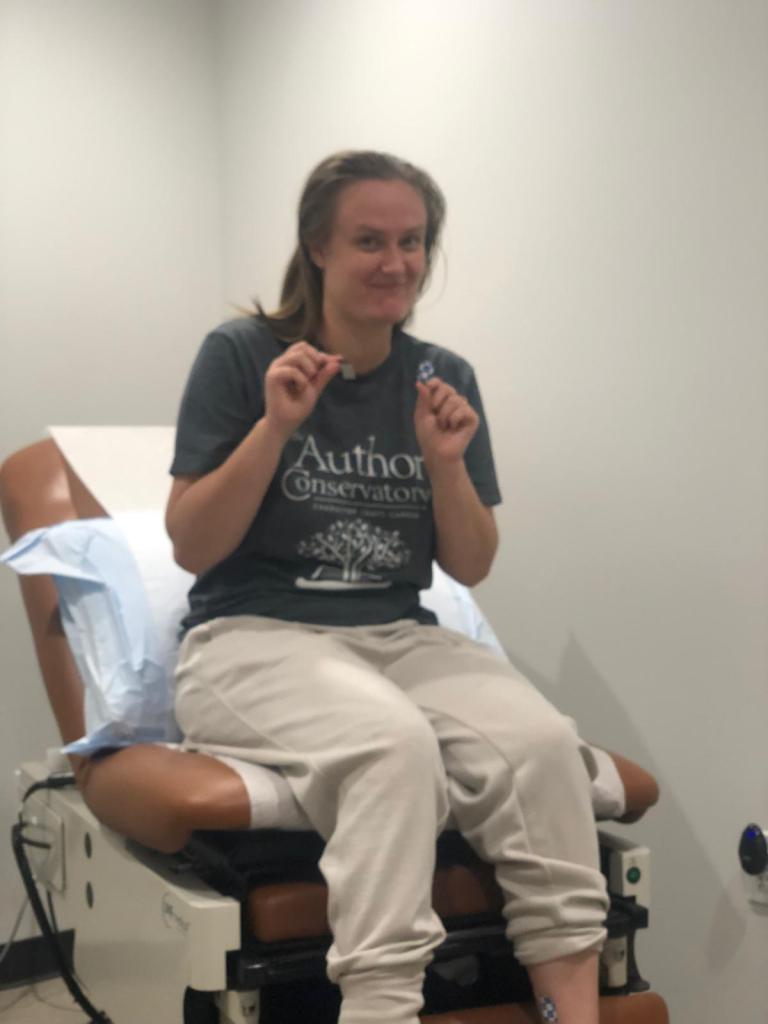
Some things I learned to explain to my physically healthy peers, trying to connect my experiences to things they had experienced. For example: “Imagine having the flu every day of your life.” Similarly to how you might tell an international friend, “The cookie was similar to a Tim Tam but without as much chocolate.”
Chronic illness doesn’t feel exactly the same as the flu, but it can be close, and it was common ground to help them understand me. Some things, I learned, were only truly understood by other people with chronic illnesses.
What is one thing you learned from being a TCK?
Being a TCK gave me the skills to adapt and weather suffering well. When I became chronically ill in high school, my experience as a TCK gave me the flexibility to adapt to a different lifestyle and the courage and creativity to build community in unexpected places. Being multi-cultural has also given me the ability to connect with people who not only have different cultures than my own, but who have been through life experiences and struggles that I have not.
How has being a TCK influenced your faith?
Being a TCK and then experiencing chronic illness as a teenager caused me to rely on God more than I would have otherwise. When no one else understood what I was going through and no one knew my story or the confusing ins and outs of my day, God did. He sees, He understands, and He enters in when no one else can.
Do you see similar challenges shared between the TCK and chronic illness aspects in your life? What are they?
In both chronic illness and in being a TCK, I occasionally felt lonely, misunderstood, and invisible. Sometimes, living in a location where I looked the same as those around me, but didn’t even speak their language, I would come up against expectations I couldn’t live up to. The same happened with chronic illness. There are many times when I have been very sick, but you couldn’t tell by looking at me. Having life experiences that people cannot see and often cannot relate to can be isolating.
There are many other TCKs out there with health challenges who feel like a zebra among the donkeys; that is, even among fellow TCKs, they may feel out of place. The Lord can use truths from the TCK aspect — such as identity, sense of home, and going through grief and huge life changes — to help respond better to health issues. What is one specific struggle from being a TCK that the Lord used to encourage you in the chronic illness aspect and vice versa?
Exactly! I think that having to navigate loneliness as a TCK prepared me better for losing many of my friends when I became chronically ill. Being sick changed my lifestyle, and people drifted away. But starting over with community was a skill that I had developed from being a TCK, and it made it easier to find new friends and connect with them even if they had different life experiences than I did.
In reverse, living with a chronic illness has forced me to learn how to grieve the life I had before, which has, in turn, helped me to more intentionally grieve the losses that come with my heart being in multiple countries at once, and to grieve the person I used to be, even as novel cultural experiences shape me into someone new.
What is one thing you would like to tell your fellow TCKs?
Dear friends, being a TCK is to grow. It is good, and it is hard… and that’s what makes it beautiful. You may feel frustrated, lonely, or lost, and that is valid. God has not lost you, He is not far away, and He has a plan for you. I don’t say that lightly — I say that while also struggling with my own questions. The skills you have learned have a place, and there is nothing wrong with you.
What is one thing you would like to tell your fellow TCKs living with chronic illness?
Dear warrior, you are not alone. I mean it.
Disclaimer: Opinions or views shared in this interview may not reflect those of the TCKs for Christ team.


Join the Conversation