
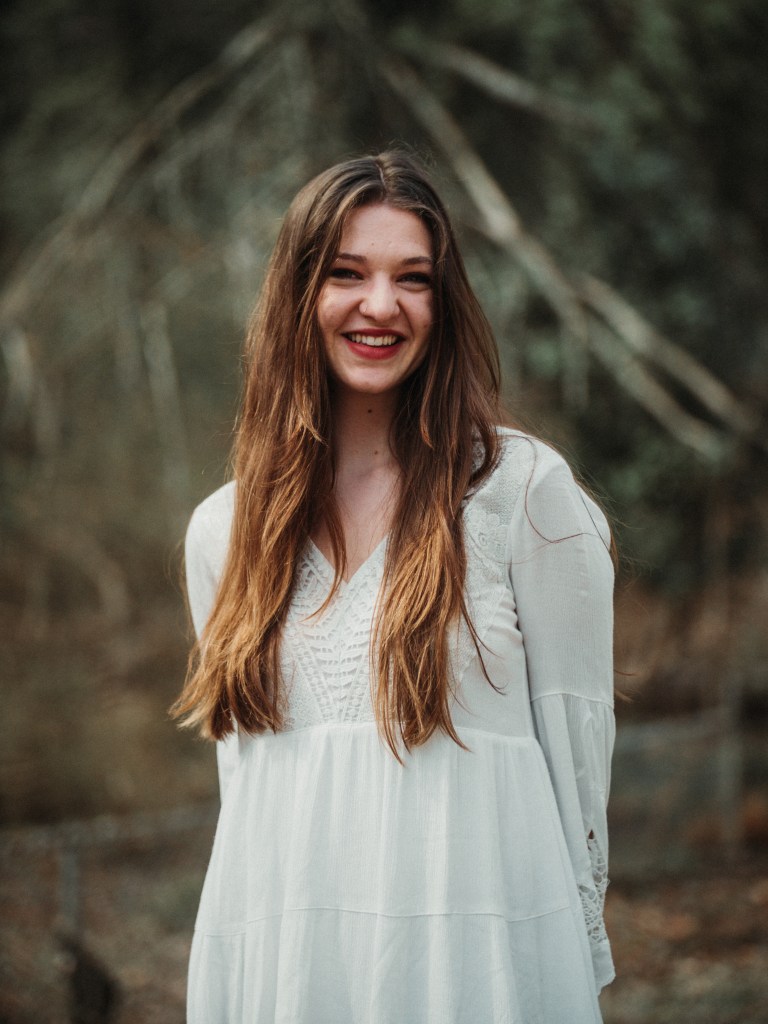
Today, we have Alyssa with us. Welcome, Alyssa!
Can you tell us a bit about yourself and the different cultures you are part of?
I was about five years old when we moved overseas. I have snippets of memories from before we moved, but they’re the kind that I am not sure if they are true memories or recreations of pictures I’ve seen.
One of those memory-adjacent moments is sitting in the airport with piles of footlockers containing the entirety of our lives packed inside. We lived in Costa Rica for a year, Venezuela for two and a half years, Thailand for a year, and then the United Arab Emirates for eight years. I came back to the US in 2012 for college and have only lived internationally for short periods since then, whether it was summers in the UAE, in Oman with my family, or a summer abroad in Kazakhstan. I currently live in central Virginia and am a licensed marriage and family therapist with two cats and an incredible husband.
What is one memory from your time in one of your non-passport countries that you would like to share?
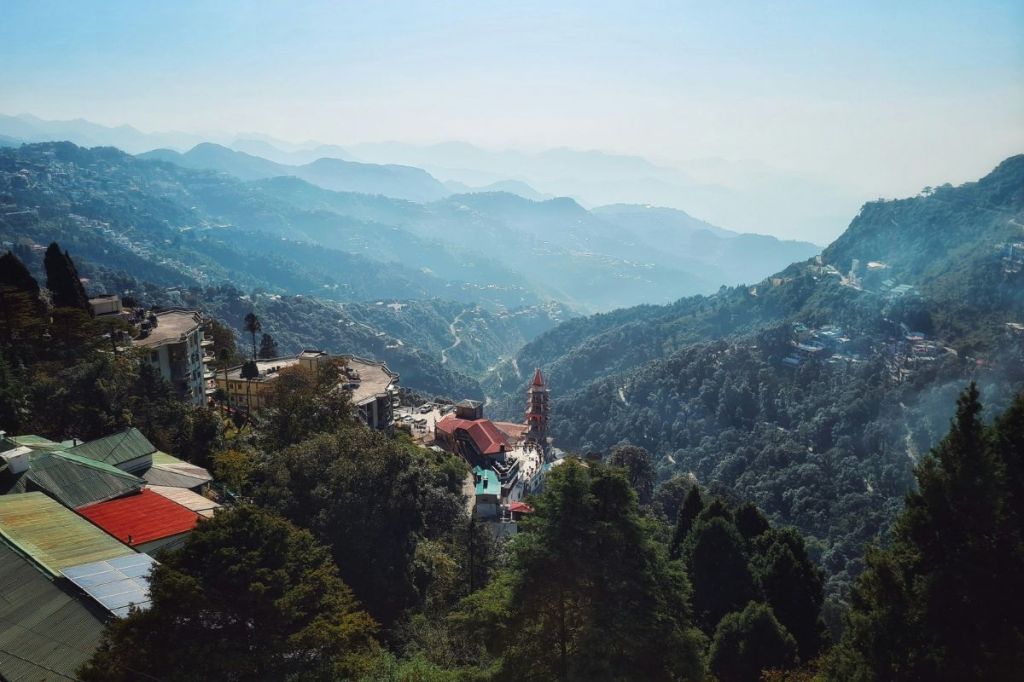
One of the most unique experiences I had growing up was spending a summer in the mountains of India. We were in Mussoorie. I think it was 2005. That summer taught me that nothing is strange — only foreign to me.
By then I had finished my first year in Dubai, and after wrapping up my fifth-grade year, I had already lived in five countries; but nothing so far was like Mussoorie. Unlike the desert we had come from, these mountains were teeming with wildlife, much of which we had to be cautious of. Due to the potential for tarantulas, we had to check under the sheets for spiders rather than blindly getting into bed. Once, when closing the curtains, I found one hiding there.
There were also monkeys that would follow you home if they knew you had snacks.
One morning, I crawled into my parents’ bed. We looked up at the skylight together when several fluffy faces appeared, and little monkey hands started maneuvering the hinges of the latch to try to get in.
The most terrifying of the wildlife was the leeches. Never in my life before or since have I encountered them, and I consider that a blessing.
Coming from the desert, the near-constant rain and fog of the mountains were foreign to me, along with the ecosystems the weather supports. I found the plethora of bugs frightening and off-putting. But I soon learned that they were not inherently so, only shocking to my system because they were outside of my “normal.”
At some point in the summer, I made friends with another American girl roughly my age. This forest was her home, and her nervous system had adjusted to these bugs. We adventured through the terrain, having a perfect summer day, until I realized leeches were clinging to my ankles. I remember being paralyzed with fear and panic, not having any context to know how to appropriately respond.
My friend, with no change in her composure, said, “Oh, I’ll go up to the house and get some salt.” Her mood did not shift, and she didn’t run or scream (like I wanted to) because this experience was a byproduct of her home. I borrowed her calm, what we in the mental health field call “co-regulating,” and waited for her to bring some table salt and pour it over my ankles. She sat with me until the leeches fell off, and we continued our play.
There were so many other unique experiences there, including bucket baths, my first exposure to silverfish, taking drum lessons, and trying to understand the rules of cricket. However, the calm that my friend was able to maintain when I was in near emotional distress taught me that my experience is not universal, and what I interpret as bizarre may be someone else’s mundane.
Nothing really is normal, just familiar or foreign. I learned this lesson over and over again while overseas, being exposed to so many different versions of “normal,” but nothing was as jarring as watching a twelve-year-old girl calmly pour salt over a handful of leeches.
What is an advantage of being a TCK?
I think there are many advantages to being a TCK. One advantage that I believe also comes with responsibility is that experiencing being an outsider away from home gives you greater empathy for outsiders.
When I look back on my childhood overseas, where my parents were far from the familiarity of their home country, I am grateful for the ways they integrated their cultural upbringing into mine.
One tradition I cherish is pumpkin carving. My husband knows well that it will always be on my fall bucket list. While it seems so commonplace to me now, as it is widely practiced in my current American context, it is a beautiful homage to integrating into my adult life a childhood that feels so far away.
The smell and feel of the activity always take me back to middle-school-Alyssa sitting in our family friend’s kitchen, elbows deep in a pumpkin, which no doubt took intentionality for my mother to find. Spending the evening with a few other Americans, engaging in an activity that only made sense to those in the room, increased my sense of belonging and strengthened the weak bond I had with my American identity.
In the early 2000s, a pumpkin sighting was a rarity, almost unheard of. But my mom, for the love and joy of her culture, hunted through perhaps countless Carrefours and Spinneys for a pumpkin, a way of integrating her childhood into mine.
In the same way that I have great compassion and gratitude for how my parents integrated their culture into my childhood, I have abundant empathy for minority parents everywhere, trying to impart the blessings of their childhoods to the next generation, often with limited access to the things that tie them to their childhoods.
I am grateful for the privilege of perspective that being a TCK gave me and the lived experience that increases my empathy for people who are so different from me. In a small way, I can try to relate to their story.
Who was someone you met in one of your non-passport countries that made a difference in your life, and how did they do that?
Another beautiful lesson from growing up overseas is learning how family can come from blood ties or be chosen through intentional life spent together.
One of the greatest relational blessings of my childhood was a family with two girls, one older, one younger, that moved to the UAE in 2008. They became the family that we celebrated many, if not all, of the uniquely American holidays together.
Thanksgivings through the years were spent in their home. After dinner, you would find us girls in the living room, finishing off the pies. One 4th of July, I was staying at their house before our families came together for the holiday festivities when their mother found a kitten in a tree. That cat still lives with my parents, having moved to two different countries with them since then. That family was a blessing then, and essential to me growing up, but I had no idea how our story would become even more intertwined.
The same summer I left for college, their family returned to the US permanently and, by the grace of God, were about an hour from the college I went to. Our Thanksgivings together continued, and they morphed from family friends to family. Their father became my emergency contact as my parents were thousands of miles away. Their home stored my things over the summer. They were the ones I called when I was stuck in the Chicago airport with a cancelled flight, and I didn’t know how to get home.
After college, our proximity changed, and while adult relationships are different, family doesn’t change. Their dad got to know my boyfriend when we first started dating, and we had movie nights together long before he met my family. When that boyfriend became my fiancé, I asked those girls to stand by me at my wedding.
It was so evident to me growing up that chosen family is family. Because I moved often, there are very few people who have known me since childhood and are still actively part of my life. Even fewer have intimately known me in the midst of my story internationally and continue to be part of my story since moving back to the US. But I have been blessed to attend the weddings and baby showers of both of these girls I met in middle school. Seeing them and being seen by them in both highs and lows across seasons creates a unique bond that I intend to keep for a lifetime.
What are some ways you have found it helpful to transition when moving?
My favorite thing about moving is the excitement of looking for my “new normal.” The biggest piece of advice I have is to be an intentional joiner. Coffee shops to frequent, walking trails to explore, groups to join — everything is an adventure. The benefit of not knowing anyone is that there is nothing to lose by taking a chance!
Have you ever wished you could trade your TCK experience for a “normal” childhood?
I have never wanted to trade my childhood. I have always known it was a wonderful gift and is maybe the greatest gift my parents could have given me.
I have, however, at times wished that my childhood were more accessible. We visit my husband’s hometown, usually during the holidays, and it’s about a 9-hour drive from where we live now. He and his siblings can point to buildings and tell stories of the businesses that were once there and the memories they made in those places. At least once a year, I go to my dad’s hometown. It’s usually a two-flight trip, a few hours each. We can see the house he grew up in, and he can point at the additions on homes down his street and tell me what they originally looked like.
To get to where I grew up, it costs several thousand dollars, and I can expect to spend over 10 hours on just one of the many flights. I hope to someday go back to Dubai and show my husband the places that were important to me, but I will be lucky to see the place where I grew up a handful of times in my life.
I have no grief over not having a “normal” childhood, but I do have grief that it feels inaccessible to me. I can’t tangibly experience my childhood and integrate it into my adult story the way my heart longs to, and it doesn’t get to be part of my husband’s story the way his hometown is becoming part of mine.
What question would you like to ask your TCK fellows?
I would be curious to hear from other TCK adults living in the US about how they find ways to integrate their international identity with their American one. Now that I have been back in the US for so long — 14 years now — it is easy to lose touch with my TCK side. I love that version of me and often long for her, but it can be difficult to access her when the people, places, and priorities in my life now are so foreign to her.
I get to see glimpses of four-to-eight-year-old me when I listen to my reggaeton playlist or overhear a Spanish conversation. My teenage self lights up when I see “Dubai chocolate” themed lattes in my local coffee shop. These moments often happen by chance, but I would love to hear how other adults are more intentional about honoring and blending these past versions of themselves into their adult one.
Thank you so much for sharing with us, Alyssa!
Disclaimer: Opinions or views shared in this interview may not reflect those of the TCKs for Christ team.


Join the Conversation