

Dark clouds gathered above the palm trees of Jeju Island, South Korea. “It’s going to rain!” my husband declared. “I can’t let my camera get soaked on our walk.”
“Let’s stop and grab an umbrella from the convenience store,” I suggested, spotting a shop near the parking lot. The store bell jangled as I opened the door and immediately noticed a stack of umbrellas. The cashier was nowhere to be seen, though.
In England, I would have stayed politely and quietly by the till, perhaps grumbling under my breath at the wait. Not so in Korea. In this balli-balli (quickly, quickly) culture, why delay? “Chogiyo!” I yelled in Korean. “Excuse me!”
“Neh,” a man’s voice rumbled from the stock room behind the store. “Coming!”
A friendly face popped into view, and the old man’s jaw suddenly dropped. He started laughing. “Oh my goodness, I thought you were a Korean person,” he said in perfect English. “Honestly, you sounded so Korean, I really thought you were Korean. But you’re a foreigner.”
I chuckled along with him. Even though I’d only said one word, I was tickled that I’d managed the pronunciation and the confident shouting well enough to sound like a local.
As I took the purchased umbrella back to my husband, I reflected on how that moment in the store illustrated what a lot of my TCK life feels like. I am a foreigner who can still blend in just enough when needed. I am suspended between worlds. Neither a total outsider nor a complete native.
Living In-Between
This limbo-like reality is not always comfortable. Sometimes I grieve feeling that I don’t fully belong anywhere. I wish I weren’t obviously different, or that living abroad were easier, or that I had the roots and community of people who grew up less mobile.
Yet, just as I laughed with the convenience store owner, I can also choose to find the humor in being almost but not quite what other people expect. I can accept and even appreciate my unique position with all the ways I can bend and adapt.
I am still learning the art of living with the tension of the good and the hard in TCK life. Perhaps you can relate.
In some seasons, it can be tempting to stay under a dark cloud, focusing on the losses and pains of being a perpetual foreigner. At other times, it’s more appealing to minimize the difficulties in favor of praising all the gifts that come with growing up among worlds. That may even feel like our Christian duty — to acknowledge only the good.
However, ignoring our losses doesn’t help. As author and missionary Heather Fallis points out, “If we don’t learn how to acknowledge and work through our experiences in a healthy way, we might be able to push through for a while, but eventually we will reap the detrimental consequences of unprocessed emotions. The results can span from discouragement and social isolation to depression and destructive coping mechanisms” (Fallis 2025, 15).*
Clearly, it is important to be honest about the entirety of our experience. We don’t actually have to deny one side of TCK life and focus solely on the other. We can hold both the challenges and the joys.
Living Honestly With God
The Psalms provide a perfect example of living in the honest tension of good and bad. In many of his songs, David mixes both praise and despair, doubt and faith, gratitude and frustration.
For example, in Psalm 42, David doesn’t hide the fact that he feels downcast. He feels forgotten by God as he is taunted by his enemies. Yet he also shores up his soul, telling himself to put his hope in God.
We find another example in Psalm 13. David starts with, “How long must I wrestle with my thoughts and day after day have sorrow in my heart?” (v. 2 NIV), and he ends with this: “But I trust in your unfailing love; my heart rejoices in your salvation. I will sing the LORD’s praise, for he has been good to me” (vv. 5–6 NIV).
We can benefit from this kind of honesty before God as TCKs, offering both our lament and our praise, choosing faith in God in the midst of it all.
In Psalm 62:8, David encourages us: “Trust in him at all times, you people; pour out your hearts to him, for God is our refuge” (NIV).
God is our refuge. Although other people may not always understand the nuances of being a TCK, God knows our hearts. In Him we have a safe place for our thoughts and emotions.
The beautiful invitation to openness with God is echoed in the New Testament. Peter says, “Cast all your anxiety on him because he cares for you” (1 Pet. 5:7 NIV).
The writer of Hebrews says, “Let us therefore come boldly to the throne of grace, that we may obtain mercy and find grace to help in time of need” (Heb. 4:16 NKJV, emphasis added).
Perhaps you are feeling the pain right now of being the odd one out. Or perhaps you are joyfully noticing the advantages of your unusual life.
Living in-between as a TCK is neither entirely bad nor completely wonderful, but we have the assurance that God welcomes our honesty about it all. As you pour out your heart to the One who truly understands, may you experience His care and grace for you today.
References:
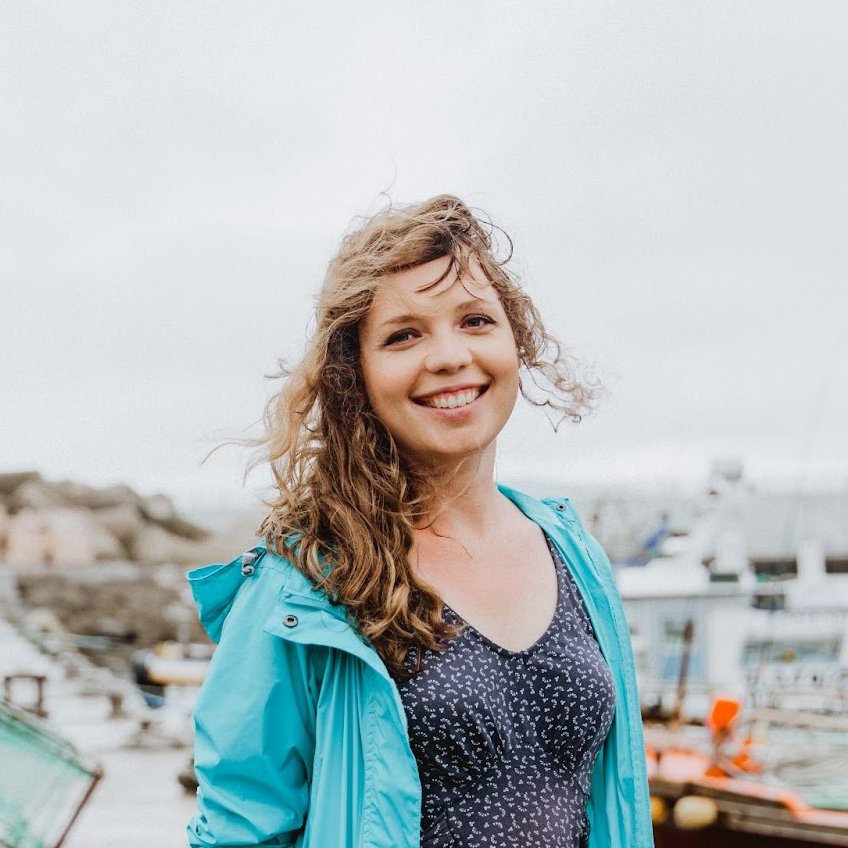
TCKs for Christ: Staff Writer
Lynette Allcock Yoon
is a writer, teacher, and former radio host. She grew up in three countries and now lives in South Korea with her husband. She writes about life abroad, faith, and relationships from an expat, TCK perspective. Lynette loves helping fellow wanderers and sojourners to feel seen, encouraging them to overcome the challenges and find the beauty in cross-cultural living. Outside of work, she enjoys musical theatre and long walks with good friends.
You can find her on Instagram @lynetteallcockyoon or on Substack at lynetteallcockyoon.substack.com.


Join the Conversation